Research shows that kidney disease affects about 10% of adults in the world and 33% of the adult population in the United States is at risk of developing kidney-related complications. This shows that kidney disease is one of the main public health concerns.
In most cases, Kidney disease does not have any major symptoms in the early stages and hence goes undetected until it’s very advanced. In its late stages, kidney disease is usually untreatable and most patients need a transplant or dialysis.
What causes kidney damage?
The kidneys are very powerful organs that are responsible for many vital functions such as filtering waste, balancing bodily fluids, producing urine and producing hormones that help regulate blood pressure. These small but vital organs can easily become damaged in many ways.
High blood pressure and diabetes are some of the most common underlining risk factors that can cause kidney disease. However, research shows that the risk for kidney disease can also be increased by smoking, age, gender, and genetics.
High blood pressure and uncontrolled sugar can damage blood vessels in your kidneys, impairing their ability to function properly. When kidney function is impaired, waste products accumulate in the bloodstream. Therefore, it is very important for people who are at risk for kidney damage as well as people with kidney disease to adhere to diet regimes that help promote kidney function.
Does bone broth help improve kidney function?
 In most traditional cultures, people often used animal bones as a base for stock. In addition to being a great cooking ingredient, bone broth is also highly nutritious and provides numerous health benefits for the skin, kidneys, gut, hair, bones, and immune system.

For instance, bone broth is rich in protein (approximately 6g per cup), and a wide variety of nutrients including potassium (which helps move toxins out of cells and nutrients into cells), phosphorus (great for teeth and bones), and calcium.
Bone broth is rich in minerals and vitamins that have been shown to aid in detoxification as well as improve liver and kidney function. These minerals can also help prevent the harmful effects of dangerous environmental toxins, such as lead. This energizing beverage is also high in glycine, which stimulates the production of a powerful antioxidant called glutathione.
Animal studies have shown that glycine aids in speeding recovery from fatty liver disease (alcohol-induced), improving survival after surgeries such as kidney transplants, and protecting liver cells against damage and hypoxia. Glycine also helps reduce oxidative stress especially in people diagnosed with metabolic syndrome.
Proline, on the other hand, plays a critical role in a process known as apoptosis, which entails breaking down old cells, recycling raw materials, and clearing up toxins and waste products in healthy cells. Proline also acts as an antioxidant by getting rid of free radicals.
Glutamine is a nontoxic nitrogen transporter that carries amine groups through the blood to the kidney. Glutamine is converted to glutamate in the kidney and the acid-base balance is regulated by producing ammonium.
How can you use bone broth to improve kidney function?
If drinking bone broth out of a coffee cup feels odd, don’t worry; there are numerous other ways to use, drink, or eat bone broth.
-
Drink your broth straight up.
This method is simple and straightforward. Simply pour your broth into your thermos flask and sip it as part of your meals.
-
Use bone broth to make grains.
Use bone broth instead of water when cooking ancient grains such as farro or quinoa. Besides providing all the benefits of bone broth, it also adds flavor to your grains.
-
Freeze to use later
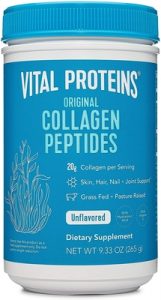 Pour your broth into an ice cube tray and freeze to make individually portioned broth.
Despite having a rather intimidating name, bone broth is simple to incorporate into any diet and enjoy its health benefits. For instance, you can drink it to recharge and nourish yourself post-workout. Other people mix it into morning smoothies or simply use it to glaze vegetables. You can also use it to make stews and soups, instead of using water.
Where can I buy bone broth?
You can purchase bone broth pre-made in liquid or powder form, or make your own at home. Although store-bought bone broth is a good option, be sure to buy pasture-raised, organic bone broth to maximize the nutrients and minerals you get and minimize the toxins. Avoid buying bone broth that comes in plastic food containers or cans that contain BPA (bisphenol) or BPA substitutes.
Remember, it is important to ensure that your kidneys are functioning optimally in order to avoid complications caused by kidney diseases such as stroke, heart disease, high blood pressure, anemia, nerve damage, and kidney failure.
Read about Bone Broth as a natural treatment for high cholesterol HERE!