Cholesterol is a fat-like, waxy substance that is produced by the liver and is also present in most animal-based foods. Cholesterol is essential for a wide range of bodily functions. However, high levels of cholesterol have been linked to many health issues including stroke and heart disease.
The NHLBI (National Heart, Lung, and Blood Institute), one of the leading causes of high cholesterol is unhealthful life choices. Other factors that can contribute to high levels of cholesterol include medications, certain medical conditions, and genetics.
Health care providers often recommend statins to help lower cholesterol levels. However, statins can cause unpleasant side effects, such as nausea, muscle cramps, and headaches. Fortunately, there are some natural ways of lowering cholesterol in the body without medications.
Let’s explore some of the best natural cholesterol-lowering supplements:
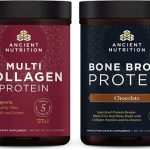
1. Bone Broth Powder
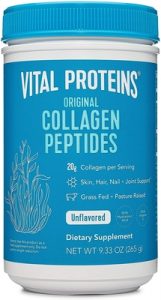 Bone broth powder is derived from slow-cooked stock that mainly uses the bones of animals such as cows, pigs, chickens, fish, and many more.

Although there is no universal recipe for making it, most people prefer to use bones with big amounts of marrow that are allowed to simmer in a pot for at least 6 hours.
After preparing bone broth some people season it with various ingredients such as salt but others like to leave it out. The potential cholesterol-lowering and heart benefits of bone broth powder can be attributed to peptides, which are derived from collagen and hemoglobin.
Studies show that peptides block enzymes related to cholesterol retention and heart disease, even after being cooked and digested.
Peptide chains in bone broth are of just 2-3 amino acids, allowing them to travel through intestinal walls and remain active in the body. Researchers are still conducting more studies to ascertain the heart and cholesterol-lowering benefits of bone broth powder.
Vital Proteins Collagen – Home Remedies for High Cholesterol
2. Soluble Fiber
Soluble fiber dissolves in liquids and has been shown to lower the absorption of cholesterol in the bloodstream. In addition to supporting digestive health, soluble fiber lowers LDL cholesterol levels and promotes heart health.
Despite helping lower the levels of LDL cholesterol, soluble fiber does not affect triglyceride or HDL cholesterol levels.
Recommended daily amounts of soluble fiber are:
- Men over 50 years: 30 g
- Men below 50 years: 38 g
- Women over 50 years: 21 g
- Women below 50 years: 25 g
Fortunately, soluble fiber is in most foods we already enjoy. Foods rich in soluble fiber include orange (1.8g), potato (1.1g), asparagus (1.7g per 1/2 cup), peach (1.0 to 1.3g), pear (1.1 to1.5g), whole wheat bread (0.5g per slice), kidney beans (2.6 to 3 g per 3/4 cup) and oat meal (2.8 g per 1 1/2 cup).
A high intake of soluble fiber can cause stomach pain, bloating, and constipation. Therefore, you should try to increase your intake of soluble fiber gradually over time.
3. Niacin
Health care professionals sometimes recommend this B vitamin for people with heart problems or high cholesterol. It reduces the level of triglycerides (a fat that clogs arteries) and increases good cholesterol in the body.
Some of the best food sources of niacin include chicken and liver. Alternatively, you can use a niacin supplement to lower cholesterol. The recommended intake of niacin supplements is 16 mg per day for men and 14 mg per day for women. Consult your doctor before taking supplements to reduce the risk of side effects such as nausea, flushing, and skin itching.
4. Psyllium supplements
Psyllium is mainly fiber made from Plantago ovate plant seed husks. It can be taken in a pill or mixed into food or drinks.
Research shows that taking psyllium supplements regularly can significantly reduce the levels of cholesterol in the body. Other health benefits of psyllium include lowering blood sugar for diabetes patients and relieving constipation.
5. Red yeast rice
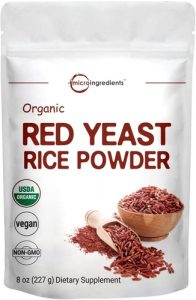 Red yeast rice is basically rice fermented with yeast and it’s used as a medicine in Asian countries, including China.
Red yeast rice supplements that contain Monacolin K have been shown to help lower cholesterol. Monacolin K has the same makeup as cholesterol-lowering medicines such as lovastatin.
However, red yeast rice available in America does not contain monacolin K because it was classified as a medicine by the FDA in 1998 and could not be sold as a cholesterol-lowering supplement. Although red yeast rice supplements are still available on the market, they usually don’t contain cholesterol-lowering monacolin K.
6. Phytosterols
Phytosterols are primarily waxes that are sourced from plants. They are naturally present in vegetables, fruits, nuts, and grains. Phytosterols prevent the absorption of cholesterol through the intestines.
Nowadays, some food manufacturers are adding phytosterols to various prepared foods such as yogurt and margarine. This allows you to eat foods that contain cholesterol while counteracting the effects of cholesterol at the same time.
7. Soy protein
Foods that contain soybeans can help lower LDL cholesterol. Steamed soybeans, tofu, and soy milk are good sources of lean protein. Therefore, consuming them instead of fatty foods such as beef can help reduce cholesterol in your diet.
8. Ginger
Studies show that ginger lowers total triglyceride and cholesterol levels. Another study from 2008 showed that ginger can boost HDL cholesterol and reduce LDL cholesterol. You can take ginger as a powder or supplement or simply add raw ginger to your food.
9. Flaxseed
Flax has blue flowers and is grown in some temperate climates. Its seeds as well as the oil derived from them have been shown to be excellent sources of healthful omega-3 fatty acids. Omega-3 fatty acids have a wide range of health benefits, which include lowering the levels of LDL cholesterol and raising HDL cholesterol.
To enjoy maximum health benefits from flaxseed, eat flaxseed ground or use its oil.
10. Polyunsaturated fats
Consuming polyunsaturated fats such as omega-6 and omega-3 fatty acids in moderation helps reduce LDL cholesterol levels without affecting the levels of HDL cholesterol. Foods rich in polyunsaturated fats include walnuts, fish such as trout, tuna, and salmon, and plant oils such as sunflower oils, corn, and soybean.
Diets that contain polyunsaturated fats mainly from fish oil can help reduce the symptoms of arrhythmia and promote heart health.
11. Monounsaturated fats
Fish, vegetables, and nuts are high in monounsaturated fats. Other foods rich in monounsaturated fats include avocados, seeds, and vegetable oils such as sesame, sunflower, peanut, and olive oils. A 2019 study found that consuming diets rich in monounsaturated fats such as oleic acid results in lower LDL cholesterol and total cholesterol levels than diets that are low in monounsaturated fats and high in saturated fats.
The bottom line
Although cholesterol is essential for many functions in the human body, such as hormone production and membrane formation, high LDL cholesterol levels can increase your risk of stroke, heart disease, and heart attack.
You can naturally lower your cholesterol levels through lifestyle and dietary changes. Studies show that replacing trans fats with polyunsaturated and monounsaturated fats helps lower LDL cholesterol levels and raise HDL cholesterol levels.
Other ways of naturally lowering cholesterol include exercising regularly and eating more soluble fats.
It is essential to consult your physician before taking any new cholesterol-lowering supplements in order to find the best dosage for you.